📢 Live Update: Trump Says China Tariff Is at Least 145%
🇺🇸 U.S. Position and Strategy
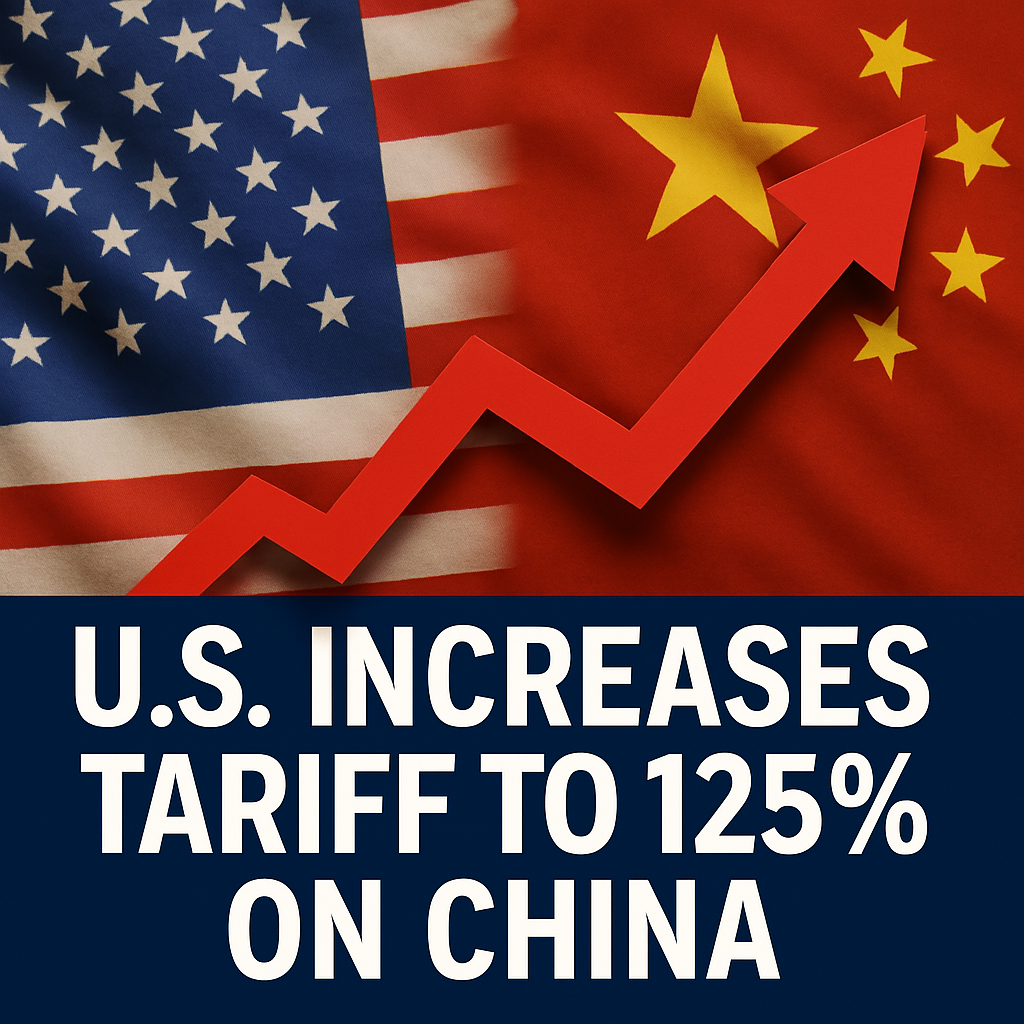
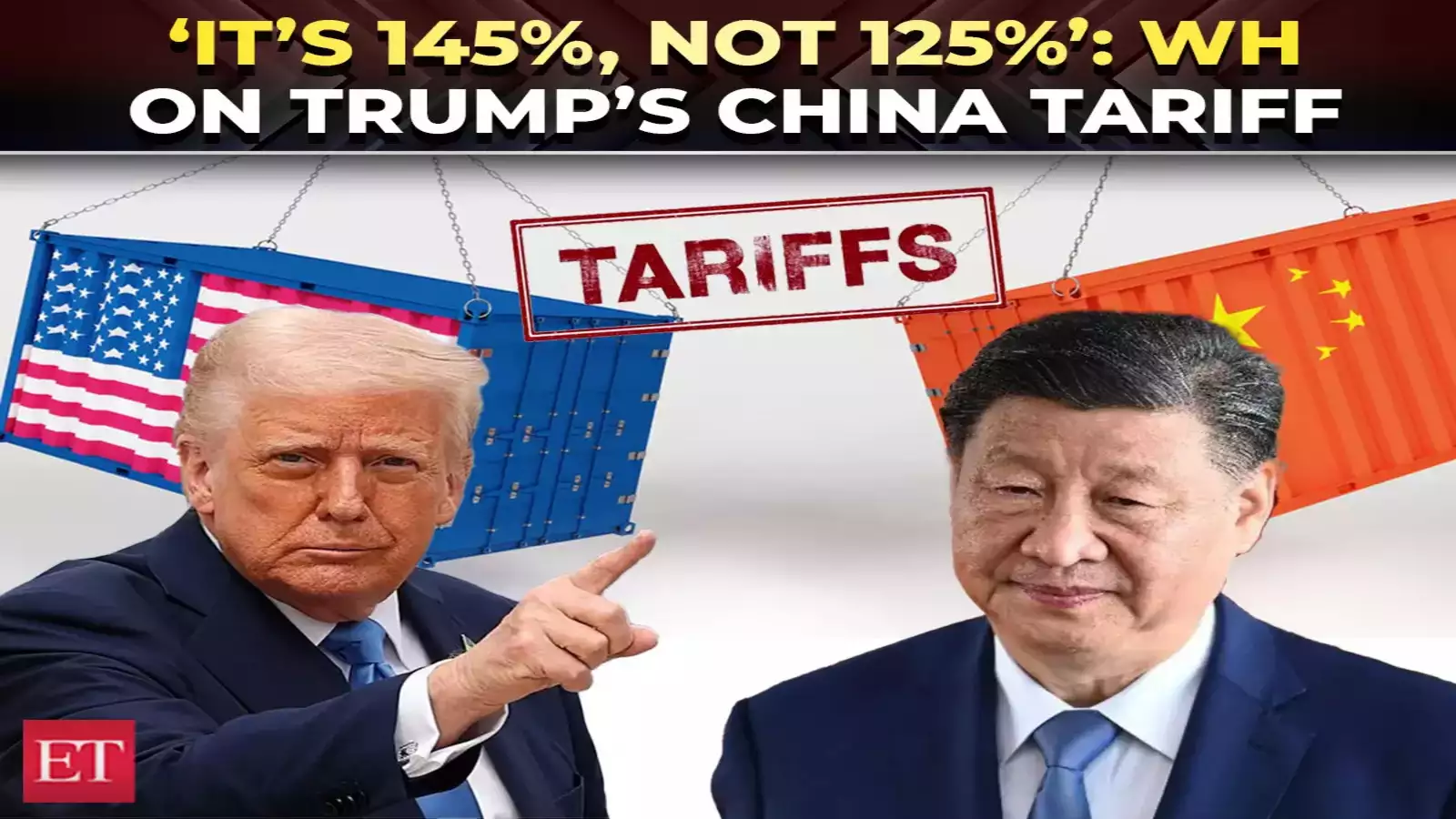
Former U.S. President Donald Trump recently announced a 145% tariff on Chinese imports. This includes a newly imposed 125% tariff added to the existing 20% rate. A White House spokesperson confirmed the total, stating that the goals of the policy are:
- To reduce the $1.2 trillion trade deficit the U.S. has with China
- To address China’s alleged involvement in the fentanyl drug crisis
- To encourage manufacturing to return to the U.S.
- To generate substantial revenue from tariffs for the U.S. government
Trump emphasized the measure as a way to “protect American workers and restore fair competition.”
🇨🇳 China’s Response
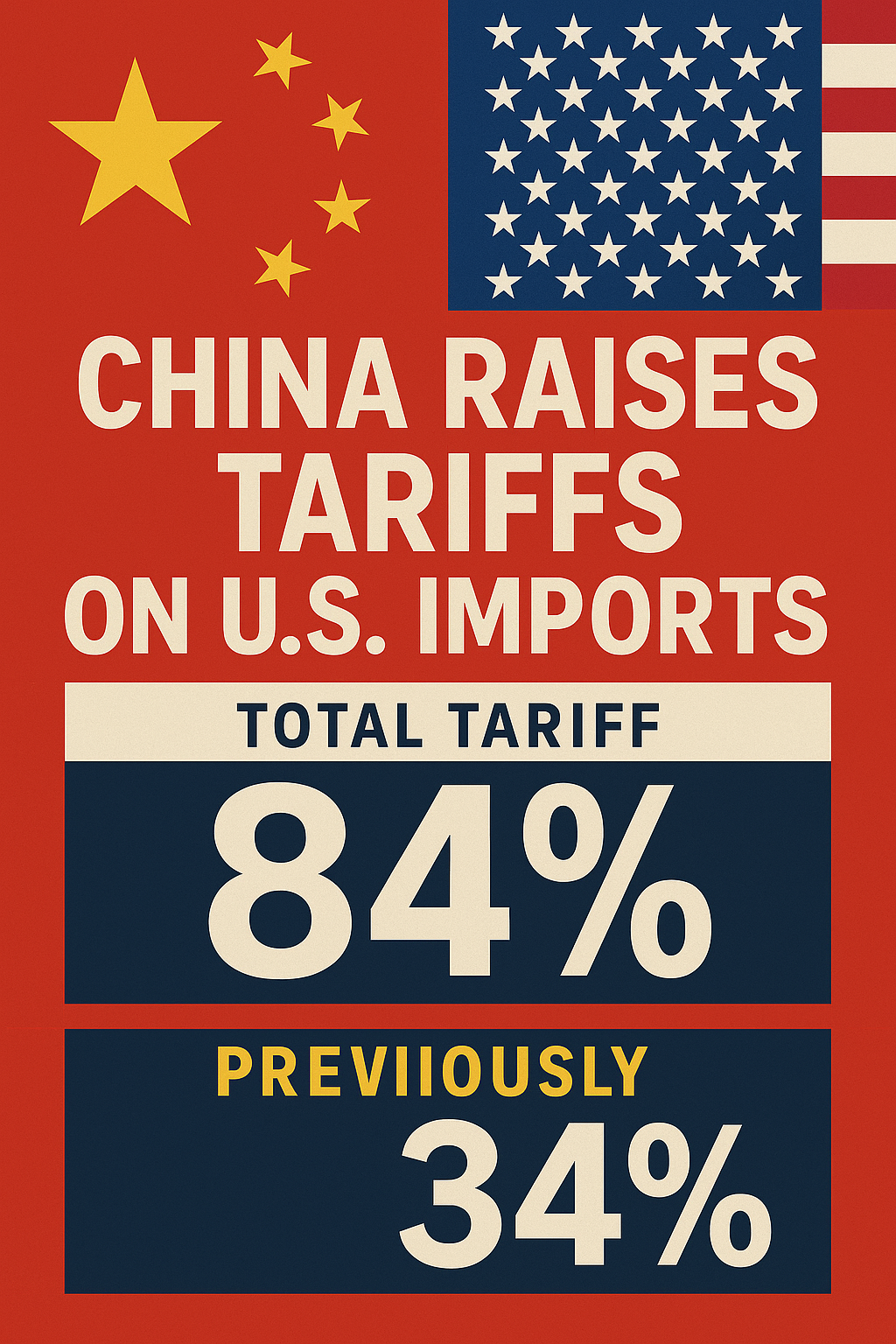
In retaliation, China announced an 84% tariff on U.S. goods. This has negatively impacted many U.S. exporters and caused widespread disruption in Chinese manufacturing sectors. Companies are reporting:
- Cancelled U.S. orders
- Temporary factory shutdowns
- Layoffs and financial strain
China’s Ministry of Commerce stated that the U.S. move violates WTO rules and that China reserves the right to take further countermeasures.
📉 Market Impact
This escalation in the trade war has triggered major volatility in global markets:
- U.S. stock markets plummeted, with significant losses in major companies like Apple, Meta, Tesla, and Microsoft
- Bond markets were also affected as interest rates rose, complicating U.S. Federal Reserve policy
- Investor risk aversion surged, pushing gold and the U.S. dollar higher
🏭 Economic Consequences
The tariff hike is already impacting U.S. businesses and consumers:
- Companies that rely on Chinese parts and goods are facing higher production costs
- Some firms are considering layoffs or relocating operations
- American consumers may see higher retail prices; economists estimate household spending could rise by more than $4,000 annually
🔮 Outlook
Economists and analysts warn that prolonged high tariffs could:
- Stifle economic growth in both the U.S. and China
- Weaken consumer confidence and reduce spending
- Trigger global supply chain restructuring and economic instability
While diplomatic engagement is limited at the moment, there is still a possibility for a new trade agreement between the two nations.
📺 For a video overview of how markets reacted, watch: