How to Detect Rug Pulls in Crypto: A Complete Guide for Investors
Cryptocurrency and DeFi (Decentralized Finance) offer immense profit potential—but they also come with significant risks. One of the most dangerous and devastating scams in the crypto world is the rug pull. This article will guide you through what rug pulls are, the different types, and how to detect them early to avoid becoming a victim.
What Is a Rug Pull?
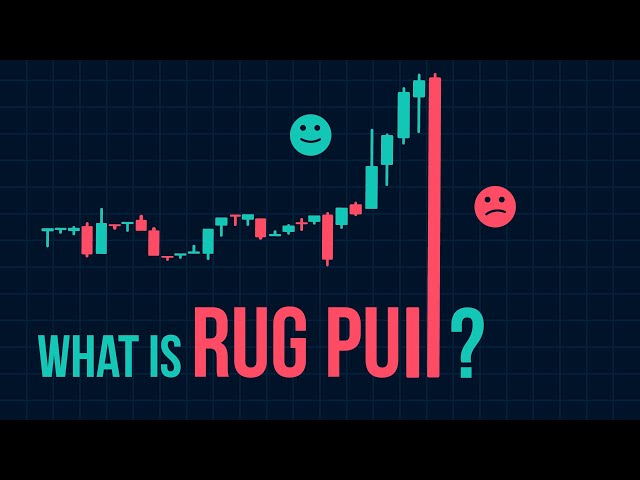
A rug pull is a type of crypto scam where developers abandon a project and run away with investors’ funds. This usually occurs in decentralized finance (DeFi) platforms or token launches, where liquidity is provided by users.
Imagine a literal rug being pulled from under your feet—that’s exactly what happens to your funds when the scam unfolds. You invest, and suddenly, the project’s liquidity is gone, the website disappears, and the token’s price drops to near zero.
Types of Rug Pulls
1. Liquidity Theft
This is the most common rug pull. In decentralized exchanges (DEXs), developers create a token and pair it with ETH or stablecoins to create a liquidity pool. Once enough users invest and pump up the liquidity, the developers withdraw all funds from the pool, leaving users with worthless tokens.
2. Dumping (Soft Rug Pull)
In this case, developers or early investors hold a large portion of tokens. After artificially inflating the price, they sell off their tokens rapidly, crashing the price while technically not stealing liquidity.
3. Backdoor Rug Pulls (Malicious Code)
Some rug pulls involve smart contract exploits. Developers hide malicious functions in the smart contract that allow them to mint unlimited tokens or drain liquidity at will.
Red Flags and How to Detect Rug Pulls
🚩 1. Anonymous or Unverified Team
Lack of transparency is one of the biggest red flags. If the developers or project team are anonymous, it’s hard to hold anyone accountable. Check:
- LinkedIn profiles
- Twitter handles
- Previous projects or experience
Tools to use:
- DYOR Tools
- RugDoc
- Twitter search for team mentions and community feedback.
🚩 2. No Audit or Fake Audits
A proper smart contract audit from a reputable security firm helps ensure there are no hidden exploits. If a project has no audit, or presents fake or unverifiable audits, it’s a major risk.
What to check:
- Is the audit conducted by trusted firms like CertiK, Quantstamp, or PeckShield?
- Can you access and verify the audit report?
- Is it a basic check or an in-depth audit?
🚩 3. Overly Promising Returns
“If it sounds too good to be true, it probably is.”
Projects offering 1000%+ APY, or guaranteed returns with no risk, are likely scams. High yields are common in DeFi but should be backed by transparent mechanisms and sustainable tokenomics.
Examples of dangerous promises:
- “Get 10x your money in 24 hours.”
- “1000% APY on a new token that just launched.”
🚩 4. Token Ownership Is Not Renounced
In legitimate DeFi projects, the developers renounce ownership of the smart contract or lock liquidity to prevent rug pulls.
If developers still hold ownership, they can change contract rules, mint more tokens, or drain the liquidity.
Check ownership with tools like:
Look for:
- Contract owner address and permissions
- Liquidity lock duration (ideally on trusted lockers like Unicrypt or Team.finance)
🚩 5. Unclear or Copy-Pasted Whitepapers
A legitimate project should have a detailed whitepaper explaining the tokenomics, use cases, roadmap, and team. If the whitepaper is vague, poorly written, or copied from another project, it’s likely a scam.
Ask yourself:
- Does the project have a unique value proposition?
- Are the roadmap and goals realistic?
🚩 6. Low Liquidity / High Slippage
Check how much liquidity is locked in the pool. Low liquidity makes it easier for developers to pull a rug. Also, extremely high slippage tolerance is a red flag, indicating poor trading mechanics.
Verify using:
- DEX interfaces (like Uniswap, PancakeSwap)
- DexTools
- DexScreener
Look for:
- Liquidity size (less than $50,000 is often risky)
- Sudden drops in liquidity or price
- Locked liquidity (using tools like Unicrypt)
🚩 7. Mint Function Enabled
Smart contracts sometimes include a mint() function that allows developers to mint new tokens. If this function is active or controlled by one wallet, the token supply can be manipulated.
Check smart contract code or scan the token using Token Sniffer to see if minting is restricted or removed.
Tools to Detect Rug Pulls Early
Here are some must-use tools to spot shady projects:
| Tool Name | Use Case |
|---|---|
| Token Sniffer | Analyzes smart contract for scams |
| RugDoc | Lists potential rug pulls |
| DexTools | Tracks token performance & volume |
| Etherscan | View token holders & contract code |
| Unicrypt | Verify liquidity lock |
| BSCScan | For Binance Smart Chain projects |
| GoPlusLabs | Token security scanner |
Examples of Famous Rug Pulls
🚨 Squid Game Token (SQUID)
- Launched in 2021, quickly pumped in price
- Price skyrocketed to $2,800 before crashing to near-zero
- Developers sold off their holdings and disappeared
🚨 Meerkat Finance
- BSC-based yield farming protocol
- Disappeared with $31 million in user funds within 24 hours
🚨 AnubisDAO
- Promised to be a DeFi experiment
- Raised $60 million and then disappeared overnight
These examples show that even well-hyped projects can be scams if proper due diligence is not performed.
How to Protect Yourself
- ✅ Do Your Own Research (DYOR)
- ✅ Never invest more than you can afford to lose
- ✅ Use projects with established reputations
- ✅ Verify smart contract audits
- ✅ Avoid FOMO and hype
- ✅ Read reviews and community feedback
- ✅ Track project liquidity and ownership
Conclusion
Rug pulls are a serious threat in the crypto world—but with proper research, vigilance, and the right tools, you can avoid falling victim. Always take time to verify a project’s legitimacy before investing, and don’t get blinded by promises of overnight riches.
Remember, crypto rewards the patient and informed—not the impulsive. Stay safe, stay smart, and stay decentralized.