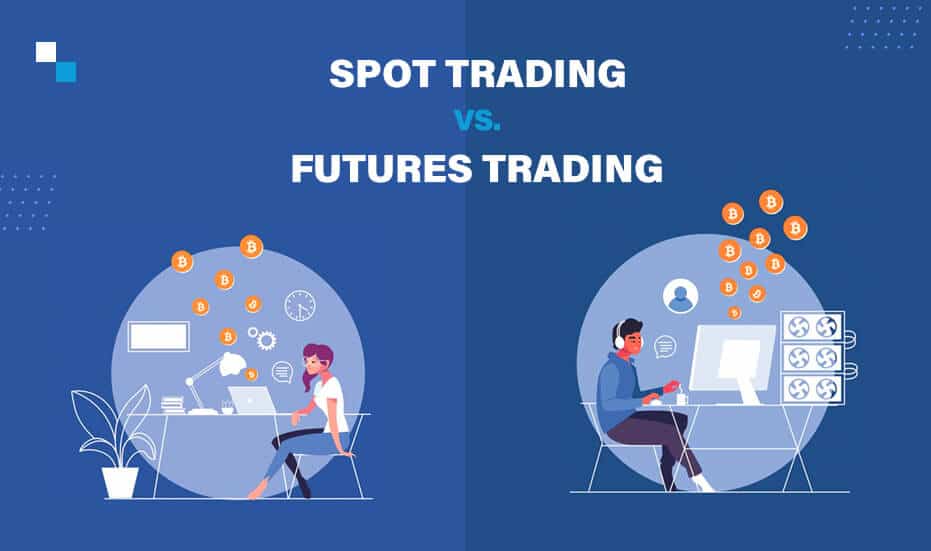
The Difference Between Spot and Futures Forex Markets
In the world of Forex trading, two of the most common markets are the spot market and the futures market. These markets play crucial roles in how currencies are traded globally, but they differ significantly in terms of how they operate, the contracts involved, and the participants involved. For those who are new to Forex trading or are seeking to expand their knowledge, understanding these differences is vital for making informed decisions. Here’s a detailed comparison of the spot and futures Forex markets.
1. Overview of the Spot Market
The spot Forex market is the most straightforward and commonly used market for buying and selling currencies. It is called the “spot” market because the transactions occur instantly or “on the spot,” with currency exchanges typically taking place within two business days.
- Nature of Transactions: Spot market transactions involve the immediate exchange of currencies at the current market price, which is known as the “spot price.”
- Settlement Period: Spot market deals usually settle within two business days, meaning that the currencies are exchanged and delivered quickly.
- Trading Volume: The spot market is by far the largest in terms of trading volume in the Forex market, accounting for more than 90% of the global currency trading.
- Market Participants: In the spot market, participants can range from central banks, financial institutions, hedge funds, corporations, to individual retail traders. Spot Forex transactions are typically done through Forex brokers.
- Risk and Leverage: Spot market trades involve significant risk because of their immediate settlement. Leverage is also available in the spot market, but it varies depending on the broker and regulatory environment.
Advantages of Spot Market:
- Quick Execution: Trades are executed immediately at the current market price, which makes it ideal for short-term traders.
- Liquidity: With high trading volume, the spot market is highly liquid, meaning traders can easily buy or sell currencies.
- Simplicity: Spot market trading is relatively straightforward, without complex contracts or delivery issues.
- Transparency: Prices are set in real-time based on current supply and demand conditions.
2. Overview of the Futures Market
The futures Forex market involves contracts that allow traders to buy or sell currencies at a predetermined price and date in the future. Unlike the spot market, which is immediate, the futures market is centered on contracts that can be settled at a later date.
- Nature of Transactions: Futures contracts are agreements to buy or sell a specific amount of currency at a set price at a future date. These contracts are standardized, and they are traded on formal exchanges like the Chicago Mercantile Exchange (CME).
- Settlement Period: The contracts in the futures market are typically settled on a specific date in the future, usually quarterly.
- Trading Volume: The futures market is smaller compared to the spot market in terms of trading volume, but it still plays an important role in the overall Forex ecosystem.
- Market Participants: The futures market is mostly dominated by institutional traders, corporations, and speculators who aim to hedge risks or speculate on future price movements. Individual retail traders can also participate, though the barriers to entry are slightly higher than in the spot market.
- Risk and Leverage: Futures contracts can involve a higher degree of risk, as they lock traders into an agreement to settle at a future date. Like the spot market, leverage is available, but the amounts can be higher due to the nature of the contracts.
Advantages of Futures Market:
- Hedge against Risk: Futures contracts allow traders and corporations to hedge against potential risks associated with currency fluctuations, which can be especially useful for international businesses.
- Regulated Environment: Futures contracts are traded on regulated exchanges, providing more oversight and a higher level of transparency.
- Standardized Contracts: Futures contracts are standardized, meaning the terms, including contract size, delivery date, and price, are predetermined. This makes it easier to trade, but also more rigid.
- Liquidity in Futures: While not as liquid as the spot market, futures contracts still provide relatively high liquidity, especially for major currency pairs.
Key Differences Between Spot and Futures Forex Markets
| Aspect | Spot Forex Market | Futures Forex Market |
|---|---|---|
| Nature of Trade | Immediate transaction at the current market price. | Agreement to buy/sell at a future date at a pre-set price. |
| Settlement Time | Typically settles in 2 business days. | Settles at a future date as per the contract terms. |
| Market Type | Over-the-counter (OTC) market. | Centralized exchange (e.g., CME). |
| Leverage | Leverage is available, but varies depending on the broker. | Leverage is typically higher but depends on the exchange. |
| Participants | Primarily retail traders, financial institutions, and banks. | Institutions, speculators, and hedge funds. |
| Flexibility | More flexible as trades are executed instantly. | Contracts are rigid with a set expiration date. |
| Standardization | No standardization; contracts are customized per trade. | Highly standardized contracts. |
| Liquidity | Very high due to continuous trading. | High liquidity, but not as high as the spot market. |
| Risk Management | Less control over execution and settlement time. | Provides hedging opportunities and predefined risk management. |
| Trading Hours | Available 24 hours a day, five days a week. | Limited to the trading hours of the futures exchange. |
Which Market Is Better for You?
Choosing between the spot and futures market largely depends on your trading style, risk tolerance, and objectives.
- Spot Market is ideal for traders looking for immediate execution and flexibility, especially for those who are trading on short-term timeframes or are new to Forex trading. Its simplicity and liquidity make it an attractive option for retail traders.
- Futures Market is more suitable for experienced traders, hedgers, and institutional participants who need to manage long-term risk or want to speculate on the future movement of currency prices. Futures contracts are also beneficial for traders looking for higher leverage and the security of trading on a regulated exchange.
Conclusion
In summary, both the spot and futures Forex markets provide unique advantages depending on the goals and strategies of the trader. The spot market offers immediacy and flexibility, making it accessible to a wider range of participants, including retail traders. On the other hand, the futures market provides more structured contracts, higher leverage, and is better suited for those looking to hedge risk or speculate on future price movements. Whether you choose to trade in the spot or futures market depends on your individual preferences and trading objectives.