The Ultimate Guide to the Savannah Cat: Complete Profile, Characteristics, Training, Care, Selection, Pros and Cons, and Price (2025 Edition)
Savannah cats are one of the most captivating and exotic-looking domestic cat breeds in the world. Known for their wild ancestry and majestic appearance, these feline hybrids combine the traits of African servals with domestic cats. This guide offers a comprehensive look into everything you need to know about Savannah cats, from their physical features and personality to training tips, grooming, selecting the right kitten, pros and cons, and price breakdown.
🐾 Savannah Cat Profile
| Trait | Description |
|---|---|
| Origin | United States (1986) |
| Ancestry | African Serval x Domestic Cat |
| Size | Medium to Very Large (up to 25 lbs) |
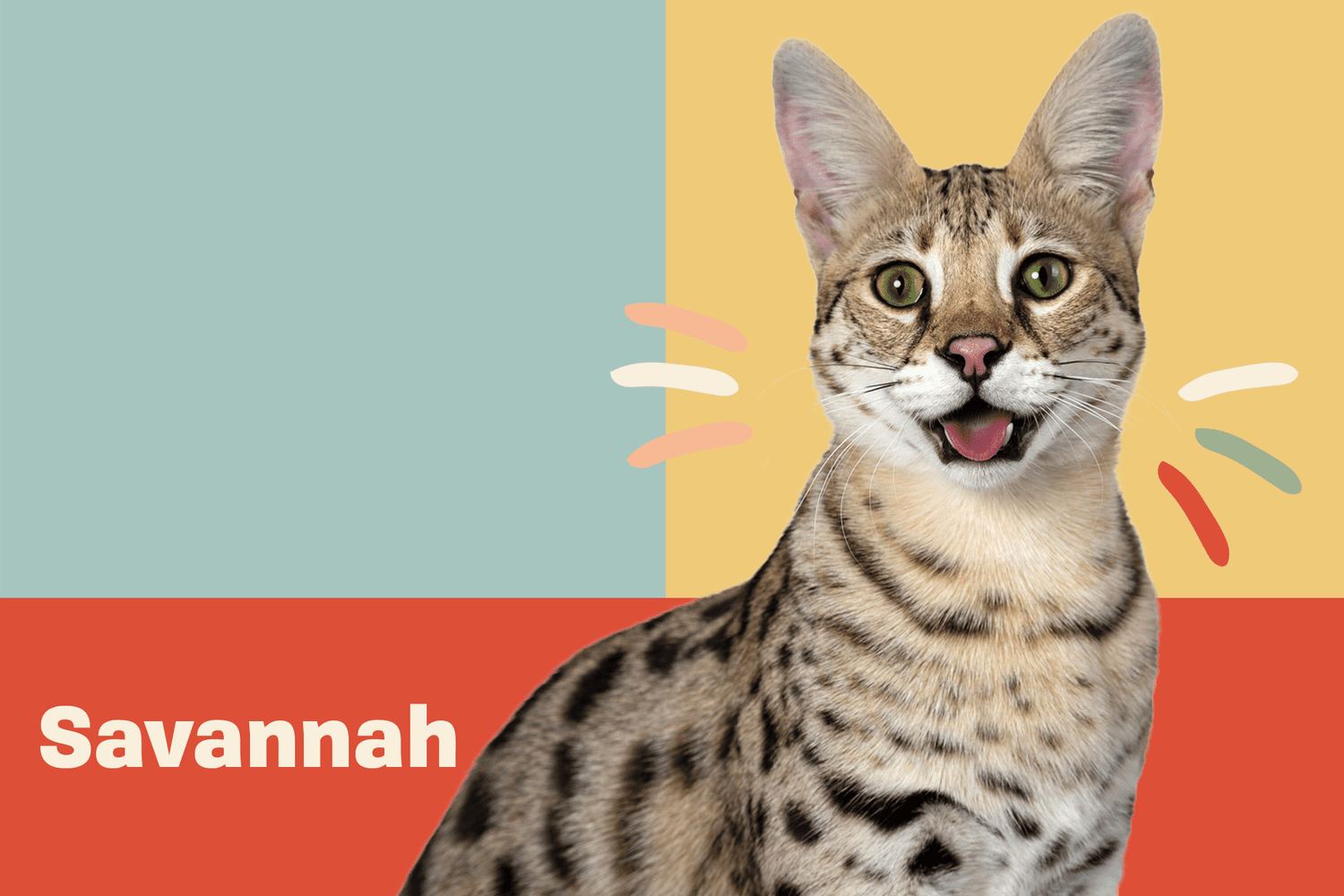
| Coat | Short, dense, spotted |
| Lifespan | 12–20 years |
| Activity Level | Extremely high |
| Temperament | Intelligent, energetic, loyal |
| Hypoallergenic | No |
| Social Needs | Very high |
🌎 Origins and History
The Savannah cat was first bred in 1986 by crossing a wild African serval with a domestic cat. The breed gained recognition for its exotic appearance and loyal personality. It was officially recognized by The International Cat Association (TICA) in 2001.
Savannah cats are classified by filial generation:
- F1: 50% serval, closest to the wild ancestor.
- F2-F3: Less wild, but still very exotic.
- F4 and beyond: More domesticated and accepted in homes.
🤩 Physical Characteristics
Size and Build
Savannah cats are tall, lean, and muscular with long legs and necks. F1 and F2 generations can weigh 15–25 lbs or more, making them one of the largest domestic cat breeds.
Coat and Color
Their short, dense coat features bold spots, similar to a cheetah. Common coat colors include:
- Golden with black spots (most common)
- Silver with black spots
- Smoke or black
Ears and Eyes
Large, upright ears and almond-shaped eyes give them a highly alert and expressive appearance.
🧠 Personality and Behavior
Intelligence
Savannah cats are highly intelligent and capable of solving puzzles, opening doors, and learning commands.
Loyalty
Much like dogs, Savannahs form strong bonds with their owners. They often follow them around and may even greet them at the door.
Activity Level
Extremely active, they require mental and physical stimulation throughout the day. They’re known to jump 6-8 feet vertically!
Social Behavior
Savannah cats can be very social but are often cautious around strangers. Early socialization is crucial.
📚 How to Choose the Right Savannah Kitten
1. Understand the Filial Generation
- F1-F2: Closer to wild, more active, larger, may require permits in some areas.
- F3-F5: More domestic traits, easier to manage.
2. Find a Reputable Breeder
Choose breeders registered with TICA or CFA. Ask for health certificates and references.
3. Meet the Parents
Meeting the kitten’s parents helps gauge temperament and expected size.
4. Evaluate Temperament
Look for kittens that are curious, not overly shy, and respond well to human interaction.
🔬 How to Train a Savannah Cat
1. Litter Training
Start early. Use a large litter box to accommodate their size.
2. Leash Training
Savannahs can be leash-trained like dogs. Use a harness and begin training indoors before venturing outside.
3. Clicker Training
Use positive reinforcement and treats. They can learn commands like “sit,” “high five,” and “come.”
4. Discouraging Destructive Behavior
Provide plenty of toys and climbing structures to reduce boredom. Use redirection and never punish physically.
🧼 How to Care for a Savannah Cat
Grooming
- Coat: Weekly brushing is usually enough.
- Ears: Clean with a vet-approved solution if dirty.
- Nails: Trim every 2–3 weeks.
Diet
- High-protein diet recommended.
- Mix of raw food, wet food, and high-quality kibble.
- Avoid grains and fillers.
Exercise
- Provide vertical space (cat trees, shelves).
- Interactive play 30–60 minutes daily.
- Outdoor enclosures or leash walks ideal.
Health Care
- Regular vet check-ups.
- Vaccinations and parasite control.
- Genetic screening for hypertrophic cardiomyopathy (HCM).
✅ Pros and ❌ Cons of Owning a Savannah Cat
Pros
- Stunning, exotic appearance
- Highly intelligent and trainable
- Loyal and dog-like companionship
- Active and engaging personality
Cons
- Can be overly energetic for some households
- Not ideal for homes with small children or timid pets
- Expensive purchase and upkeep
- Illegal in some states or requires permits (especially F1-F2)
💸 Price and Cost Breakdown (2025)
| Generation | Price Range (USD) |
|---|---|
| F1 | $15,000 – $25,000 |
| F2 | $8,000 – $15,000 |
| F3 | $4,000 – $8,000 |
| F4 & F5 | $1,500 – $5,000 |
Other Costs
- Initial Setup (toys, litter box, etc.): $500–$1,000
- Annual Veterinary Care: $300–$800
- Food (per year): $500–$1,200
- Pet Insurance: $300–$600/year
📆 Final Thoughts
Savannah cats are ideal for experienced pet owners who are ready for the challenge of raising a highly active and intelligent feline. With proper care, training, and environment, they can be one of the most rewarding and fascinating companions you could ever have.