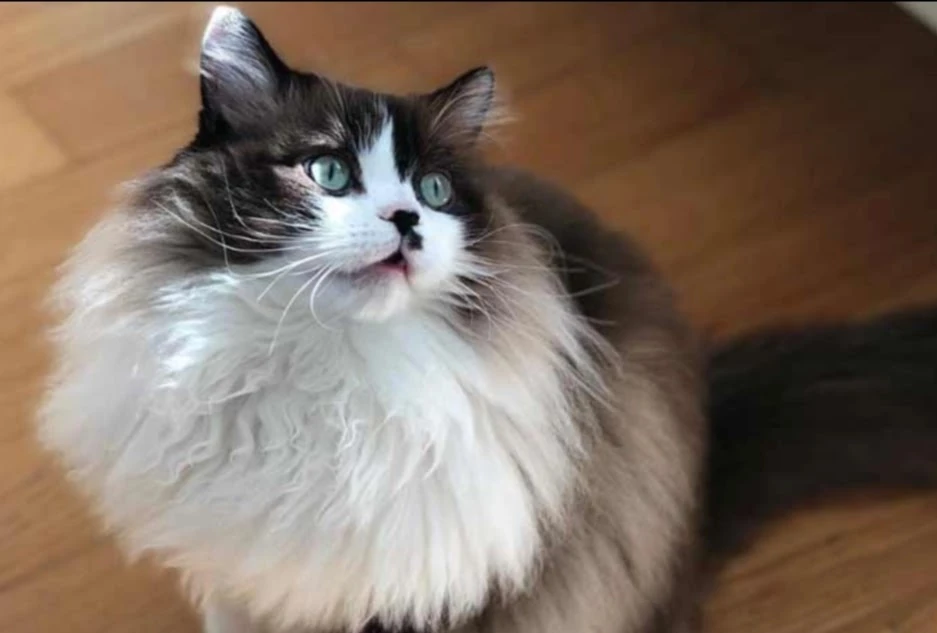

🐱 Ultimate Guide to Ragdoll Cats: Profile, Traits, Care, Training, Buying Tips, Pros & Cons, and Price
The Ragdoll cat is one of the most beloved cat breeds in the world—known for its stunning blue eyes, soft semi-long coat, and affectionate, laid-back temperament. Whether you’re a seasoned cat owner or a first-time adopter, the Ragdoll makes a wonderful companion. In this comprehensive guide, we’ll cover everything you need to know about the Ragdoll: history, physical features, personality traits, how to train, how to care, tips for choosing a healthy kitten, pros and cons, and how much you can expect to spend.
📘 Ragdoll Cat Breed Profile
| Attribute | Details |
|---|---|
| Origin | California, USA (1960s) |
| Breed Group | Long-haired domestic cat |
| Size | Large to Extra-Large |
| Weight | Males: 15–20 lbs; Females: 10–15 lbs |
| Coat Type | Semi-long, silky |
| Coat Colors | Seal, Blue, Chocolate, Lilac, Cream, Red |
| Eye Color | Always vivid blue |
| Lifespan | 12–17 years |
| Temperament | Gentle, Affectionate, Docile |
| Kid-friendly | Yes |
| Pet-friendly | Yes |
🧬 Origin and History
The Ragdoll breed was developed in the 1960s by Ann Baker, a breeder in California. She bred a white longhaired cat named Josephine with various other breeds, including Birmans and Persians, to produce kittens with a calm, docile personality and striking appearance. Ragdolls got their name because of their tendency to go limp like a ragdoll when picked up.
Baker patented the breed, but over time, other breeders established their own lines, and the Ragdoll was officially recognized by major cat associations like CFA and TICA. Today, Ragdolls are one of the most popular cat breeds in the world.
🐾 Physical Characteristics
- Size & Build
- Ragdolls are among the largest domesticated cat breeds.
- They have a strong, muscular body with a broad chest and heavy bones.
- They mature slowly, reaching full size at 3–4 years.
- Coat & Color
- Their coat is plush and semi-long, with no undercoat—making it soft and relatively low-shedding.
- Common coat patterns: colorpoint, mitted, and bicolor.
- Acceptable colors include seal, blue, chocolate, lilac, cream, red, and tortie variations.
- Eyes
- Always a deep, vivid blue, one of the breed’s most striking features.
💓 Personality and Temperament
Ragdolls are famous for their loving and calm nature. Here’s what makes them so lovable:
- Affectionate: They adore human interaction and often follow their owners from room to room.
- Gentle: Not aggressive; rarely extend claws.
- Tolerant: Good with children, seniors, and other pets.
- Quiet: They have soft voices and tend not to vocalize much unless they want something.
- Laid-back: They’re relaxed and often go limp when held—hence the name “Ragdoll.”
🧼 How to Care for a Ragdoll
Although Ragdolls are relatively low maintenance compared to other long-haired breeds, they still need care and attention to thrive.
1. Grooming
- Brushing: 2–3 times per week to prevent tangles and reduce shedding.
- Bathing: Rarely needed due to low oil levels in their skin.
- Ears & Eyes: Wipe gently with damp cloth weekly to prevent buildup.
- Nail Trimming: Every 2–3 weeks.
2. Diet & Nutrition
- High-quality protein-based food to maintain muscle mass.
- Watch portion sizes—they can become overweight easily.
- Avoid cheap fillers like corn and soy in dry food.
3. Litter Box
- Keep it clean—Ragdolls are particular about cleanliness.
- Use unscented, clumping litter.
4. Exercise & Play
- While not as active as some breeds, Ragdolls enjoy interactive play.
- Provide toys, cat trees, and regular play sessions to keep them mentally and physically healthy.
5. Veterinary Care
- Schedule annual checkups.
- Watch for genetic conditions like hypertrophic cardiomyopathy (HCM).
- Consider pet insurance for peace of mind.
🎓 How to Train a Ragdoll
Ragdolls are intelligent and eager to please, making training easier than with most cats.
Training Tips:
- Use treats & praise: Positive reinforcement works wonders.
- Clicker training: Effective for teaching commands like “sit” or “come.”
- Litter box training: Usually natural, but always place the box in a quiet, accessible area.
- Leash training: Yes! Many Ragdolls can be taught to walk on a leash.
Trick Ideas:
- Shake hands
- High five
- Ring a bell for treats
- Fetch small toys
🏡 How to Choose a Ragdoll Kitten
When selecting a Ragdoll kitten, it’s essential to buy from a reputable breeder or rescue.
Checklist for Choosing:
- Reputable breeder: Look for TICA or CFA registration.
- Health records: Ask for vaccination history and genetic testing (especially for HCM).
- Environment: Kittens should be raised indoors in a clean, socialized space.
- Kitten behavior: Should be playful, curious, and not overly shy.
- Waiting period: Kittens should stay with their mother for at least 12–14 weeks before adoption.
Avoid: Backyard breeders or anyone unwilling to provide paperwork.
✅ Pros and ❌ Cons of Owning a Ragdoll
✅ Pros:
- Extremely affectionate and people-oriented.
- Good with children, dogs, and other cats.
- Gorgeous appearance with minimal grooming needs.
- Quiet and calm demeanor.
- Intelligent and trainable.
❌ Cons:
- Needs human attention—doesn’t like being left alone.
- Prone to obesity if overfed.
- Expensive to buy from reputable breeders.
- Not street-smart—should not roam outdoors unsupervised.
- May have health issues like HCM if not bred carefully.
💰 Ragdoll Cat Price and Costs
1. Kitten Price (One-Time)
| Type | Price Range (USD) | Notes |
|---|---|---|
| Pet Quality | $1,000–$2,000 | Perfect for companionship |
| Show Quality | $2,000–$3,500 | Meets breed standards strictly |
| Breeding Rights | $3,500–$5,000+ | With full registration and breeding |
Prices depend on lineage, breeder reputation, location, and color pattern.
2. Ongoing Monthly Costs
| Item | Monthly Estimate |
|---|---|
| Food | $30–$60 |
| Litter | $15–$30 |
| Grooming | $10–$20 |
| Health Care | $30–$100 (vet, insurance) |
| Toys & Treats | $10–$30 |
📌 Is a Ragdoll Cat Right for You?
Ragdoll Cats Are Perfect For:
- Families with kids or seniors.
- People looking for a loving, relaxed indoor cat.
- Apartment dwellers.
- First-time cat owners.
Ragdoll May Not Be Right If You:
- Are away from home most of the day.
- Prefer a more independent or energetic breed.
- Want a cat that enjoys outdoor adventures unsupervised.
🐾 Final Thoughts
The Ragdoll is a dream pet for many cat lovers. With their stunning appearance, affectionate personality, and easygoing nature, they bring warmth and comfort into any home. However, like all pets, they come with responsibilities—from regular grooming to providing the attention and love they crave.
If you’re ready to commit, a Ragdoll will reward you with loyalty, cuddles, and years of calm companionship.