Behavioral Targeting on TikTok: A Complete Guide
In the world of digital marketing, targeted advertising has become an essential tool for businesses to reach the right audience with the right message. Among the most effective targeting methods is behavioral targeting, a strategy that allows advertisers to serve ads based on users’ past behaviors and actions. TikTok, being one of the most popular social media platforms, has rapidly become a go-to channel for advertisers looking to connect with an engaged and dynamic audience.
Behavioral targeting on TikTok involves utilizing the platform’s user data and algorithms to identify specific behaviors, interests, and actions of users. This allows advertisers to tailor their campaigns and deliver personalized, relevant ads to users who are most likely to engage with them.
In this article, we will explore the concept of behavioral targeting on TikTok, how it works, and how businesses can leverage this strategy to optimize their advertising efforts.
What is Behavioral Targeting?
Behavioral targeting refers to the practice of using data about a user’s past behavior to deliver personalized content or advertisements that align with their interests and preferences. This behavior can include actions like the pages they visit, the types of posts they engage with, the products they view or purchase, and other online activities.
On TikTok, behavioral targeting uses a combination of user interaction with content and the platform’s sophisticated algorithms to help advertisers identify users who are likely to respond to specific ads based on their previous activities.
How Does Behavioral Targeting Work on TikTok?
TikTok’s algorithm is designed to provide users with content that matches their interests and behaviors. Here’s how the platform collects and uses data for behavioral targeting:
- User Interaction with Content:
- When users interact with content on TikTok (like liking, sharing, commenting, and watching videos), TikTok’s algorithm collects this data to build a profile of their interests. The more a user engages with certain types of videos, the more the platform understands their preferences.
- TikTok’s “For You Page” (FYP) is powered by this algorithm. It suggests content based on users’ past behaviors, so when a user spends time watching cooking videos or fitness-related content, they are likely to see similar videos in the future.
- Video Completion Rates:
- TikTok tracks how often a user watches a video to the end. If a user consistently watches a certain type of content all the way through, the algorithm learns that they have a particular interest in that content and may serve them similar content in the future.
- This provides advertisers with valuable insights into which type of content resonates with users, helping them target the right audience for their ads.
- Hashtags and Trends:
- Users on TikTok often engage with specific hashtags and trending challenges. By tracking the hashtags that users interact with, TikTok’s algorithm is able to categorize content based on popular trends and user behavior, which can be used for targeting.
- For instance, if a user frequently engages with fitness-related hashtags like #FitTok or #HomeWorkout, TikTok may show them ads for health and fitness products or services.
- Video Sharing and Engagement:
- Users who share videos with their friends or repost content tend to engage more deeply with certain topics. TikTok analyzes these behaviors to predict what type of content the user might find interesting, allowing advertisers to refine their targeting further.
- This feature gives businesses a unique opportunity to engage users based on their social circles and the likelihood that they will share the content with others.
- Demographics and Interests:
- While behavioral targeting primarily focuses on user actions, TikTok also takes demographic information (age, location, device type) into account. This helps advertisers narrow down their audience further and ensure that the ads reach the right demographic.
- Interest categories such as fashion, gaming, beauty, food, and more are integrated into the targeting system, enabling advertisers to target users based on the content they are most likely to engage with.
Why is Behavioral Targeting Important on TikTok?
Behavioral targeting offers several advantages for advertisers, making it one of the most effective ways to reach an audience on TikTok:
- Improved Ad Relevance:
- Ads are more likely to resonate with users when they are tailored to their interests and behaviors. By serving highly relevant ads, advertisers can increase the likelihood of engagement and conversions.
- Behavioral targeting allows advertisers to go beyond simple demographic targeting and deliver ads based on users’ actual behaviors, leading to better results.
- Higher Engagement Rates:
- TikTok is known for its high engagement rates, with users spending an average of 52 minutes per day on the platform. Behavioral targeting enables advertisers to capitalize on this engagement by ensuring that the content users see is closely aligned with their interests.
- This higher level of relevance leads to greater interaction with the ads, whether it’s likes, shares, comments, or clicks.
- Cost-Effective Advertising:
- By focusing on users who have demonstrated a strong interest in specific types of content or products, advertisers can ensure that their ad spend is more efficient. This targeted approach means less wasted ad spend and better ROI (Return on Investment).
- TikTok’s targeting capabilities allow advertisers to optimize their campaigns for specific outcomes, whether it’s increasing brand awareness or driving conversions.
- Increased Brand Awareness and Recall:
- When users see ads that match their interests, they are more likely to remember the brand and its message. Behavioral targeting increases the chances that users will recall the ad when they need the product or service being advertised, which can lead to future purchases.
- It also improves brand recall by exposing users to relevant messages and products they are most likely to be interested in.
How Can Advertisers Leverage Behavioral Targeting on TikTok?
To successfully implement behavioral targeting on TikTok, advertisers must understand the platform’s audience and how to use its targeting tools effectively. Here are some key strategies:
1. Utilize TikTok’s Audience Insights:
TikTok offers advertisers access to its Audience Insights feature, which provides data on the age, gender, interests, and behaviors of users. This data can help advertisers fine-tune their campaigns to reach the right audience. By analyzing which audience segments engage with specific types of content, businesses can create targeted ads that are more likely to perform well.
2. Refining Targeting with Custom Audiences:
TikTok allows advertisers to create Custom Audiences based on user behavior, such as those who have watched a video or interacted with an ad. By retargeting these users, advertisers can deliver highly relevant content and encourage further engagement or conversions.
You can upload a customer list or use data from the TikTok Pixel to create Custom Audiences based on previous interactions with your brand.
3. Leverage Lookalike Audiences:
Once a custom audience has been established, TikTok’s Lookalike Audience feature can help advertisers expand their reach by targeting users who share similar behaviors and interests to existing customers. This is particularly useful for reaching new users who are likely to engage with your brand based on their behavior on TikTok.
4. Test and Optimize Ad Creatives:
TikTok’s algorithm favors ads that resonate well with users. Advertisers should experiment with different ad formats, creatives, and messaging to see what works best for specific behavioral segments. By analyzing the performance of these ads, businesses can optimize their campaigns and maximize engagement.
5. Use Hashtag Challenges and Trends:
Participate in or create hashtag challenges and trends that are likely to align with your target audience’s interests. These trends often spark high engagement rates and give advertisers the chance to connect with users who are already actively participating in a particular category.
6. Leverage Video Engagement Metrics:
Analyzing metrics like video views, shares, comments, and replays can give businesses valuable insights into which type of content resonates most with their audience. By creating ads that mimic the style and format of popular TikTok content, businesses can better engage their target audience.
Best Practices for Behavioral Targeting on TikTok
- Be Authentic and Creative: TikTok is known for its fun, creative, and authentic content. Ads that blend seamlessly into the platform’s culture and tone perform better than those that feel too commercial. Create engaging and relatable content that matches the behavior and preferences of your target audience.
- Use Clear Calls to Action (CTAs): Behavioral targeting increases the likelihood that users will engage with your ad, but you still need to guide them towards the next step. Whether it’s making a purchase, visiting your website, or downloading an app, always include a clear and compelling CTA to drive conversions.
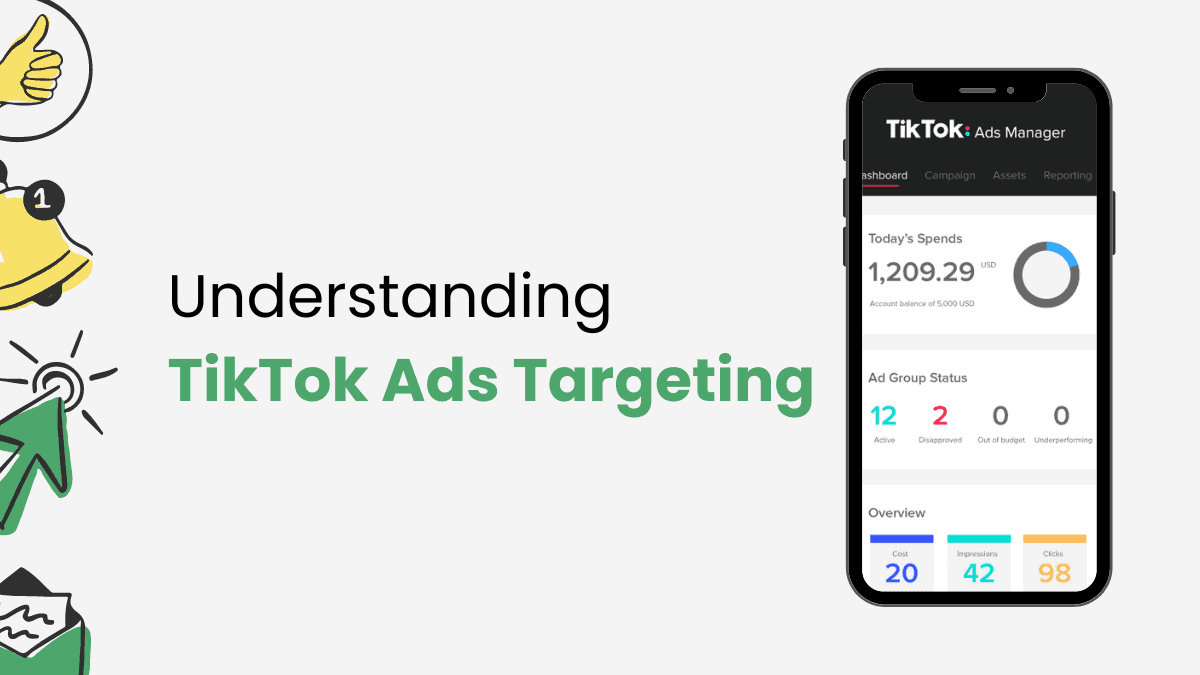
- Track and Measure Results: Use TikTok Ads Manager to track key performance metrics such as impressions, click-through rates, and conversions. This data will help you understand how well your behavioral targeting strategy is working and where improvements can be made.
- Test Different Audience Segments: Don’t rely on just one behavioral segment. Test different audience groups based on interests, behaviors, and past interactions. This will allow you to identify which segments are more likely to engage and convert.
Conclusion
Behavioral targeting on TikTok is an incredibly powerful tool that enables advertisers to serve personalized, relevant ads based on users’ behaviors and actions. By leveraging TikTok’s advanced targeting features, businesses can engage with the right audience, improve ad performance, and maximize ROI. The key is to understand the behaviors and interests of your target audience, create content that resonates with them, and optimize campaigns based on data-driven insights.
As TikTok continues to grow, behavioral targeting will remain a vital component of effective advertising strategies, enabling businesses to stay connected with their audience in a meaningful way.