
TikTok A/B Testing Audiences: Complete Guide
A/B testing, also known as split testing, is a powerful tool in digital marketing that allows you to compare two versions of an ad or campaign to determine which one performs better. On TikTok, A/B testing can be used to test different audiences, ad creatives, and targeting strategies to optimize your campaigns. This article explores how to perform A/B testing for audiences on TikTok, the benefits of testing, and best practices to ensure your tests yield actionable insights.
What is A/B Testing on TikTok?
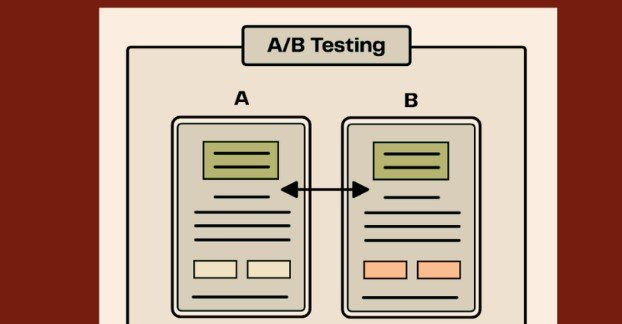
A/B testing on TikTok involves creating two or more variations of a campaign, each with a slight difference in one element, and running them to see which one delivers the best results. The goal is to understand how different audience segments respond to your ad content and targeting, and to optimize your campaigns accordingly.
For audience testing, you would typically compare variations based on different audience groups. This could include:
- Different demographics (age, gender, location)
- Interests or behaviors (fitness enthusiasts vs. fashion lovers)
- Custom audiences (website visitors, app users, etc.)
- Lookalike audiences (audiences similar to your best-performing customers)
By conducting A/B testing on audiences, you can better understand who your most engaged users are and tailor your campaigns to reach them more effectively.
Why A/B Testing Audience Segments is Important?
Understanding your audience is key to driving successful campaigns on TikTok. Here’s why A/B testing audience segments can be particularly valuable:
- Maximize Engagement: Testing different audience groups helps you pinpoint which segments are more likely to engage with your content, ensuring your ads resonate with the right people.
- Improve ROI: A/B testing allows you to allocate your budget toward the audience groups that deliver the best performance, increasing your return on investment (ROI).
- Refine Targeting Strategies: Over time, A/B testing helps you fine-tune your audience targeting to create more efficient campaigns, leading to improved performance and lower costs.
- Understand User Preferences: Audience testing can reveal valuable insights about what types of content, messaging, or product offerings are most appealing to different groups.
How to Set Up A/B Testing for Audiences on TikTok
To successfully test audience segments on TikTok, you need to carefully design your test, run it correctly, and analyze the results. Here’s a step-by-step guide on how to conduct A/B testing on audiences:
1. Define Your Objective
Before you begin testing, define what you want to achieve with your A/B test. Common objectives might include:
- Higher engagement: More likes, comments, shares, or follows.
- Increased conversions: More clicks, website visits, purchases, or app installs.
- Better cost-efficiency: Lower cost per click (CPC) or cost per acquisition (CPA).
The objective you set will guide how you evaluate your results.
2. Choose Your Audiences to Test
Next, you need to decide which audience groups you want to compare. This is the key focus of A/B testing audiences. You could test:
- Demographic Segments: Test different age groups, genders, or geographic locations to see which group responds better to your ad.
- Interest-Based Segments: TikTok allows you to target users based on their interests, such as fitness, food, travel, etc. Test how your ad performs with different interest categories.
- Behavioral Segments: You can also target users based on their past behaviors, such as frequent shoppers, app users, or people who interact with certain types of content.
- Custom Audiences: Use website visitors, app users, or customer lists to see how these specific groups interact with your content.
- Lookalike Audiences: Test how lookalike audiences—people similar to your best customers—perform in comparison to standard targeting.
3. Create Variations of Your Campaign
For the A/B test, create two or more versions of your TikTok ad. The only difference between the campaigns should be the audience, so you can measure how audience differences impact performance.
For example:
- Ad Variation 1: Targeting age group 18-24 and location in the United States.
- Ad Variation 2: Targeting age group 25-34 and location in the United Kingdom.
- Ad Variation 3: Targeting users interested in fashion and beauty products.
Be sure to keep other variables (creative, messaging, CTA, etc.) the same to ensure the test results are solely due to audience differences.
4. Run the Test
Once your ad variations are set up, launch the test. Make sure to run the test for a sufficient amount of time to gather enough data. A typical A/B test runs for at least 7-14 days, depending on the size of your audience and budget.
5. Monitor and Adjust Budget
During the test, monitor your campaigns to ensure there are no issues or underperformance. You can adjust your budget allocation to give more spend to the ad that is performing better, but ensure each version of the ad gets a fair share of the budget.
6. Analyze the Results
After the test has run for an adequate period, analyze the performance data. TikTok Ads Manager provides detailed metrics, including:
- CTR (Click-Through Rate): Measures how many people clicked your ad.
- Engagement Rate: How often people interacted with your ad (likes, shares, comments).
- Conversion Rate: The percentage of people who took a desired action (e.g., purchase, sign-up).
- Cost Metrics: Cost per click (CPC), cost per conversion (CPA), return on ad spend (ROAS), etc.
Compare the metrics for each audience group and determine which performed best based on your objectives. Be sure to assess:
- Which audience had the highest engagement.
- Which audience converted at the best rate.
- Which audience delivered the lowest CPA.
7. Implement Findings in Future Campaigns
Based on the results of the test, optimize your future TikTok campaigns by focusing more on the audience segments that performed best. You can refine your targeting strategy, allocate budget more efficiently, and improve your creative approach.
Best Practices for A/B Testing Audiences on TikTok
To ensure successful and effective A/B testing for audience segments on TikTok, consider these best practices:
1. Test One Variable at a Time
Keep your test simple by focusing on one element—audience targeting—at a time. Testing multiple variables (such as creative and audience) in one test can make it difficult to pinpoint what is influencing the results.
2. Use Sufficient Sample Sizes
For your results to be statistically significant, you need a large enough sample size. Small audiences may lead to unreliable data, so aim for enough data to confidently determine which audience performs best.
3. Test Across Different Devices and Time Zones
TikTok’s global reach means that users engage with content across different devices and time zones. Test your audience segments in different device categories (iOS vs. Android) and time zones to understand how your audience behaves in various contexts.
4. Don’t Overtest
While A/B testing is powerful, overtesting can lead to decision fatigue and wasted resources. Focus on testing the most critical audience segments or variables that will have the biggest impact on your goals.
5. Be Patient and Consistent
A/B testing takes time, and patience is key. Results might not be immediately clear, especially when testing smaller audiences. Be consistent with your tests, and use the insights you gain to improve subsequent campaigns.
6. Take Action on Insights
Once the test concludes, use the insights to inform your broader marketing strategy. Apply your learnings to optimize future campaigns and improve performance.
Conclusion
A/B testing audience segments on TikTok is an essential practice for optimizing your ad campaigns. By testing different audience groups, you can uncover valuable insights into who your most engaged users are, which helps you refine your targeting strategies and maximize ROI. Implementing proper testing methodologies and continuously optimizing your audience segments will ensure your TikTok campaigns stay effective and drive better results over time.