Best Risk Management Strategies for Forex Traders
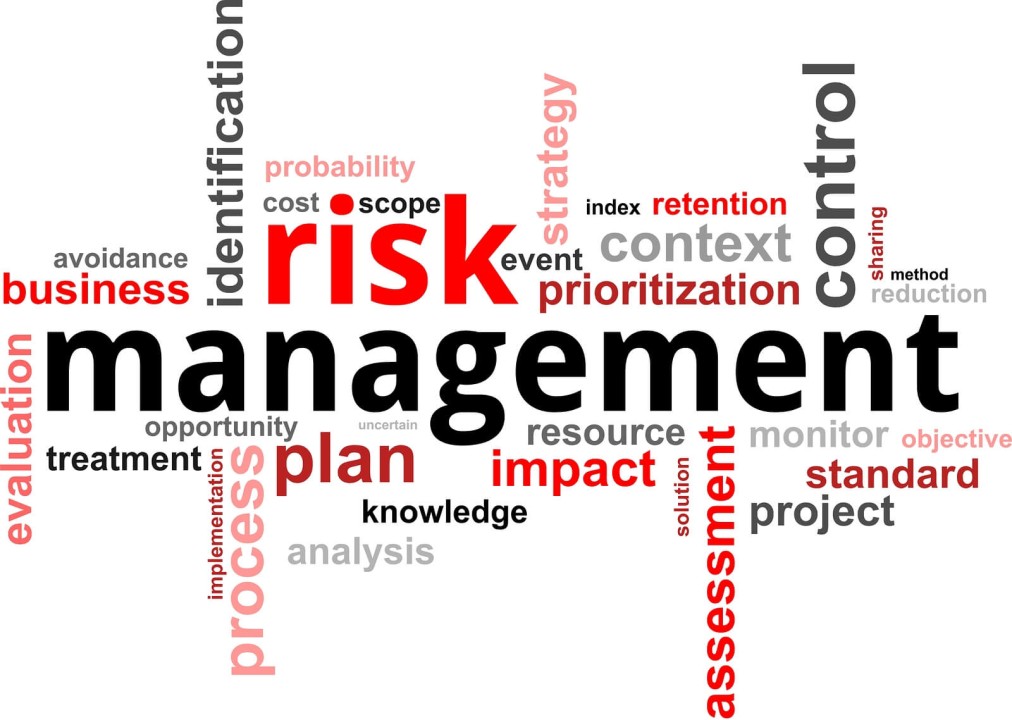
Risk management is one of the most crucial aspects of successful forex trading. Forex markets are highly volatile, and without a solid risk management plan, traders can easily lose their capital. Below are some of the best risk management strategies for forex traders that can help protect your capital while maximizing potential profits.
1. Use of Stop Loss Orders
A stop loss is an automatic order placed to limit potential losses in a trade. When the market price reaches the stop-loss level, your position will be automatically closed to prevent further losses.
- Why it’s Important: Stop loss orders help to prevent large losses when the market moves against your position. They act as a safety net to ensure that a bad trade doesn’t ruin your overall account balance.
- How to Use: Set a stop loss based on your risk tolerance. For example, if you’re willing to risk 2% of your trading account on a trade, set your stop loss so that if the market moves 2% against you, the position closes automatically.
2. Risk-Reward Ratio
The risk-reward ratio is a calculation that compares the potential profit of a trade to its potential loss. A common risk-reward ratio is 1:3, which means that for every $1 you risk, you aim to make $3.
- Why it’s Important: The risk-reward ratio helps you evaluate the profitability of a trade. A good risk-reward ratio allows you to lose a certain percentage of trades and still be profitable in the long run.
- How to Use: For each trade, calculate the potential reward before entering. If the potential reward does not outweigh the risk, reconsider the trade.
3. Position Sizing
Position sizing refers to the amount of capital you allocate to each trade. Proper position sizing ensures you don’t risk too much of your capital on any single trade.
- Why it’s Important: The size of your position directly impacts your risk. By using proper position sizing, you can control the risk you take on each trade, which helps protect your overall capital.
- How to Use: Use a fixed percentage of your capital for each trade. For instance, you might decide to risk only 1-2% of your account on each trade. This ensures that one loss doesn’t significantly impact your overall portfolio.
4. Implementing a Trading Plan
A trading plan is a set of rules that defines when you will enter and exit trades, how much capital you will risk, and what strategies you will use.
- Why it’s Important: A well-thought-out trading plan removes emotions from trading and helps you stay disciplined. It ensures you don’t make impulsive decisions that could negatively affect your trading.
- How to Use: Write down your trading goals, risk tolerance, strategies, and trading rules. Stick to these guidelines without deviating due to emotions or short-term market movements.
5. Diversification
Diversification is the strategy of spreading your investments across multiple assets or trades to reduce the risk of losing everything if one position fails.
- Why it’s Important: Diversification lowers the overall risk by preventing you from putting all your capital into a single trade or asset. It helps you stay balanced, especially when trading in volatile forex markets.
- How to Use: Instead of putting all your money into one currency pair, consider diversifying across multiple pairs. This can balance the risk, as not all pairs will move in the same direction at the same time.
6. Use of Leverage with Caution
Leverage allows traders to control a larger position with a smaller amount of capital. While it can amplify profits, it also increases the potential for significant losses.
- Why it’s Important: While leverage can increase returns, it also magnifies the risk. Using high leverage increases the potential for quick losses, especially if you don’t have solid risk management in place.
- How to Use: Always use leverage cautiously. Limit the amount of leverage you use to avoid overexposing yourself. Consider using no more than 10:1 or 20:1 leverage, depending on your trading strategy and risk tolerance.
7. Keep Emotions in Check
Emotions like fear, greed, and overconfidence can lead to poor decision-making and cause you to take unnecessary risks.
- Why it’s Important: Emotional trading is one of the most common reasons for significant losses. Traders who act out of fear or greed may make impulsive decisions, such as holding onto losing positions for too long or increasing position sizes unnecessarily.
- How to Use: Stick to your trading plan and avoid making emotional decisions. If you find yourself feeling overly emotional about a trade, it may be a good idea to step away from the market temporarily.
8. Monitor Your Trades and Adjust as Needed
It’s essential to monitor the market and your positions regularly. Market conditions can change quickly, and it’s important to be flexible and adjust your strategy when needed.
- Why it’s Important: Market conditions change, and what works today may not work tomorrow. Monitoring your trades allows you to make adjustments if the market moves in an unexpected direction.
- How to Use: Set alerts for critical price levels or use trailing stops to lock in profits as the market moves in your favor. If a trade is going against you, be ready to close it early to minimize losses.
9. Risk Management Software and Tools
Utilizing risk management tools and software can help traders automatically manage their trades according to preset risk parameters.
- Why it’s Important: Tools like automated trading platforms, risk calculators, and trade management systems can assist in maintaining discipline, reducing human error, and enforcing your risk management plan.
- How to Use: Use position size calculators, trade alerts, and automatic stop-loss or take-profit settings to enforce your risk management strategy.
10. Keep a Trading Journal
A trading journal is a record of all your trades, including the strategies used, the outcome, and what could have been improved.
- Why it’s Important: A trading journal helps you evaluate your performance and identify areas for improvement. By reflecting on past trades, you can learn from your mistakes and refine your risk management strategies.
- How to Use: Record every trade you make, including entry and exit points, position sizes, reasons for entering the trade, and the outcome. Review your journal regularly to spot patterns and improve your trading decisions.
Conclusion
Effective risk management is the key to long-term success in Forex trading. By using strategies such as setting stop-loss orders, maintaining a proper risk-reward ratio, diversifying your portfolio, and using leverage cautiously, you can minimize risk and protect your capital. Combine these strategies with emotional control and a solid trading plan, and you’ll increase your chances of profitability in the volatile Forex market.
By managing risk properly, you can ride out market fluctuations while staying on track to meet your trading goals. Always remember that no strategy is foolproof, and it’s essential to continuously evaluate and adjust your risk management practices based on your experiences and market conditions.